Kansas City Asphalt Paving
Residential driveways and commercial parking lots across the Kansas City metro. Insured and bonded, paving since 2014.
- Paving since 2014
- Insured & bonded
- Serving Kansas City Metro
- Residential & commercial
- Free estimates
What we do
New paving, driveways and parking lots, repairs, resurfacing, sealcoating, and striping — plus the maintenance that keeps asphalt from failing early. Most of what makes asphalt last sits underneath it: the grade that moves water off the surface, and the compacted base that carries the weight. Get those right and the surface holds. Get them wrong and no amount of good asphalt on top will save it.
See our services
Asphalt Paving, Repair, and Maintenance
Nine services covering the full life of a surface — from the first pour to the repairs that keep it going.
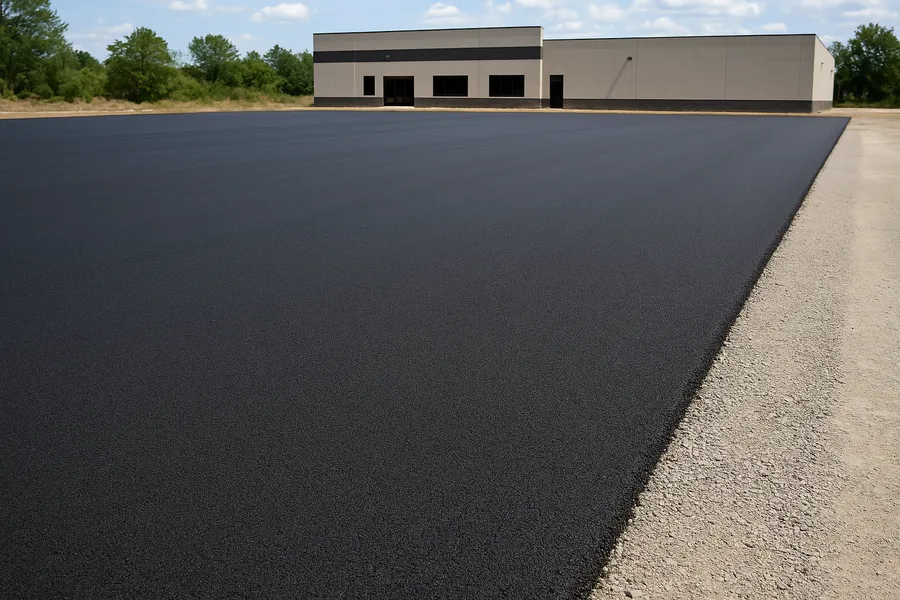
Asphalt Paving
New asphalt from the ground up — grading, base, and surface. The base carries the load, so that is where most of the work goes.
See what's involved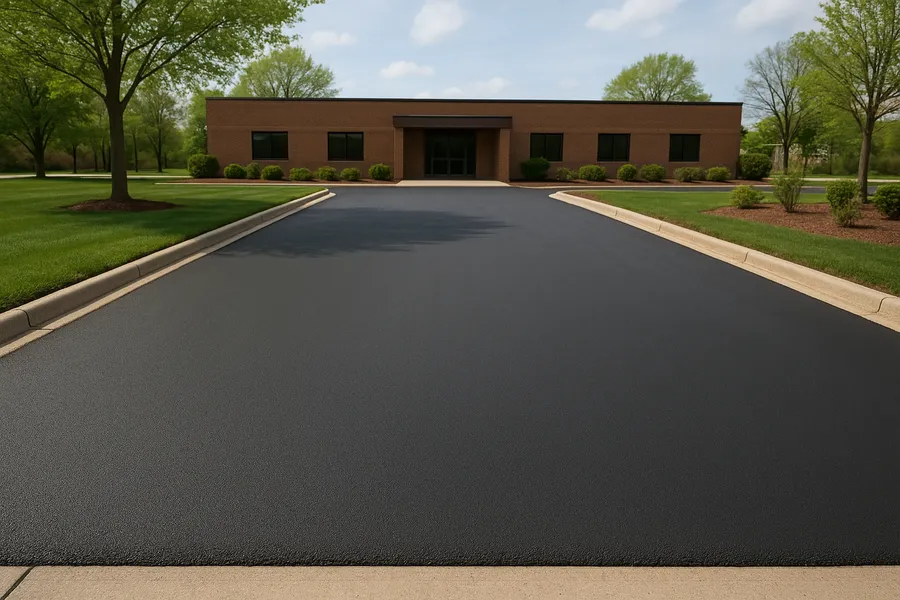
Driveway Paving
Residential driveways graded to drain, with the old surface removed and clean tie-ins at the garage and the street.
See what's involved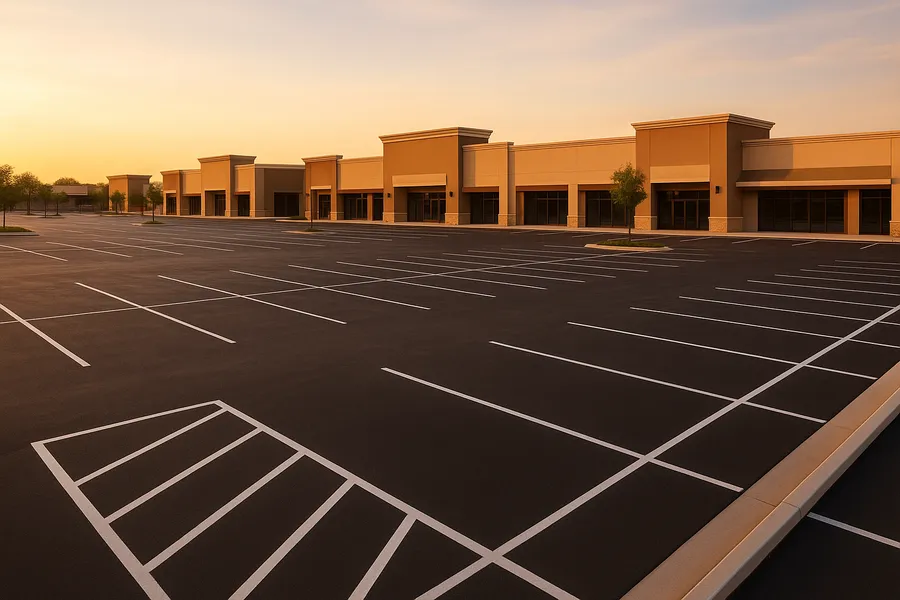
Commercial / Parking Lot Paving
Lots built for delivery traffic and turning loads. We phase the work so you can keep operating while it goes in.
See what's involved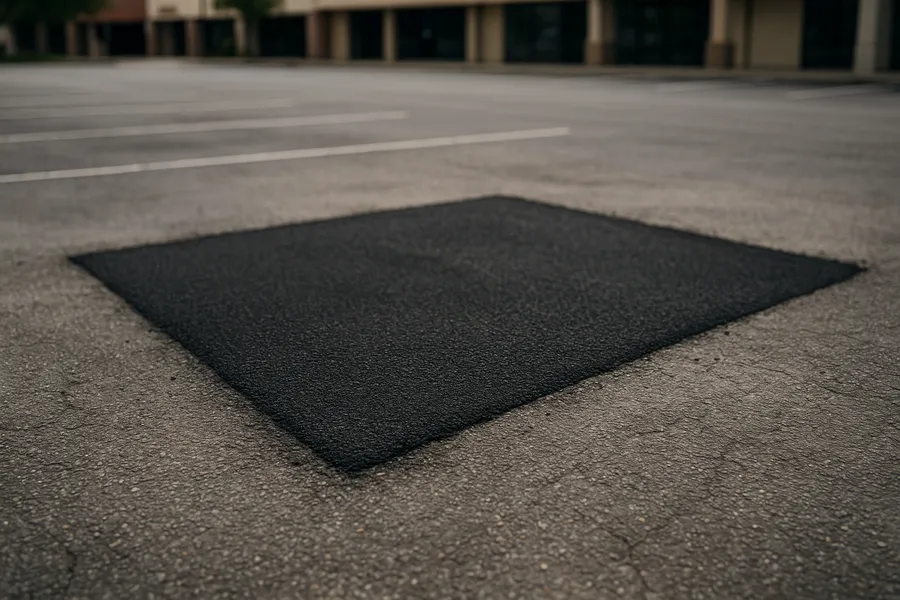
Asphalt Repair
Potholes, crumbling edges, and soft spots. We cut back to sound material, rebuild the base where it is gone, and patch flush with the surface.
See what's involved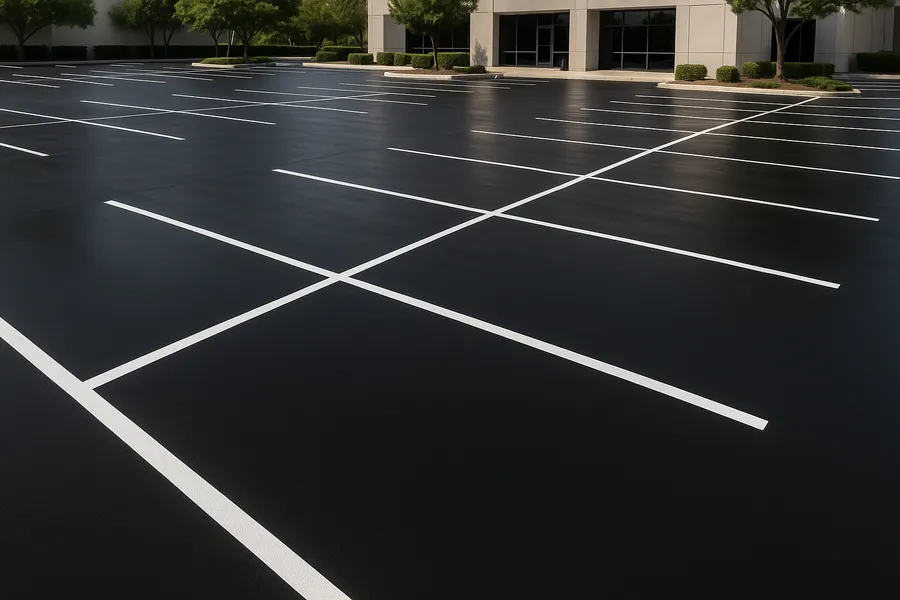
Sealcoating
A protective coat for asphalt that is still sound. It slows oxidation and keeps water off the surface — it will not fix a failing base.
See what's involved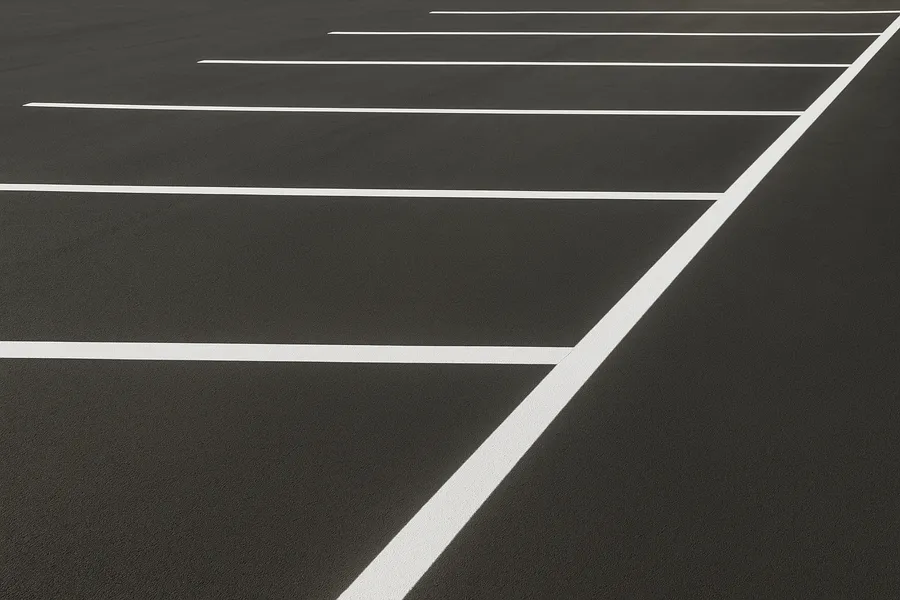
Line Striping
Layout and striping for lots — stalls, fire lanes, arrows, and accessible spaces marked to code.
See what's involved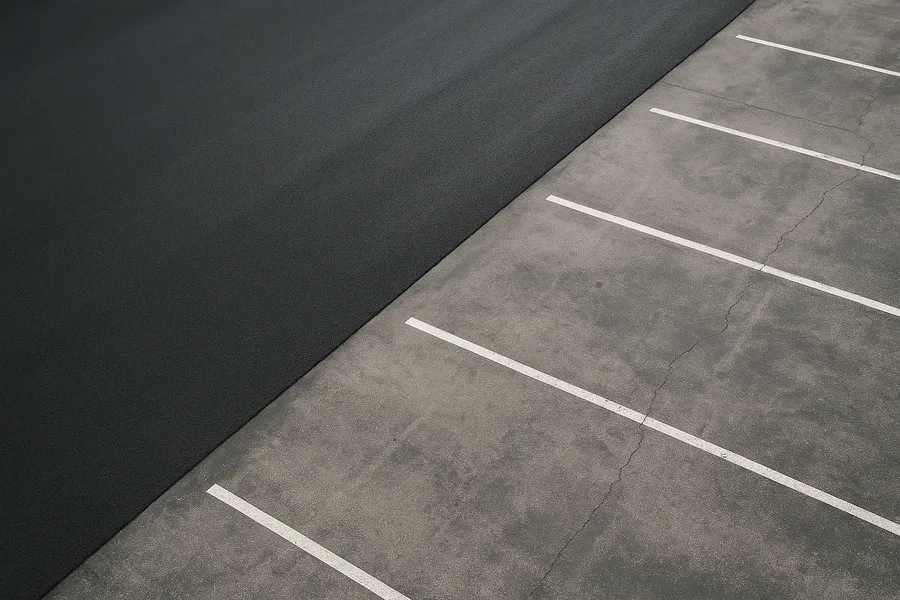
Overlays / Resurfacing
Mill off the worn surface and lay new asphalt over a base that still holds. Costs less than a full replacement when the foundation is good.
See what's involved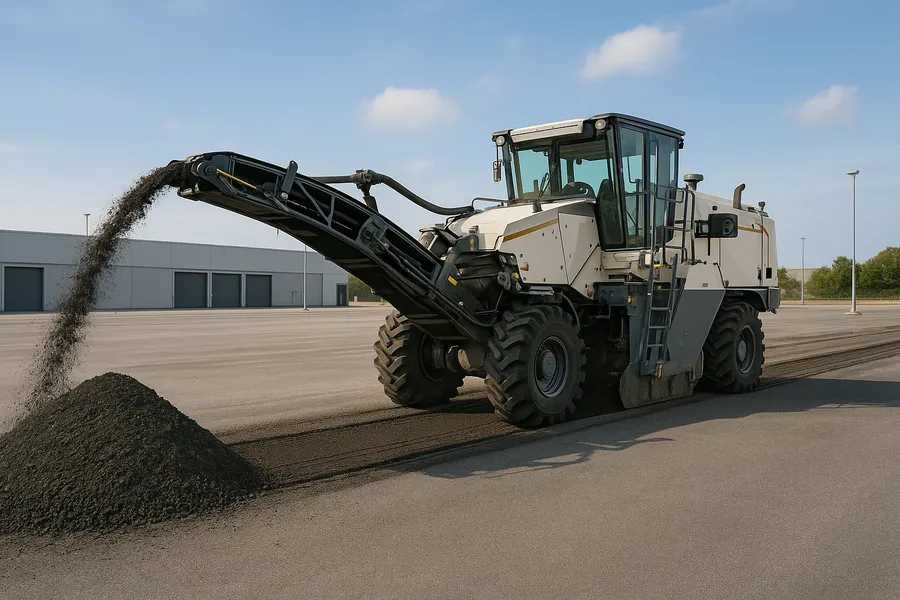
Milling
Grinding down the existing surface to correct grade and drainage, and to leave a clean profile for what goes on top.
See what's involved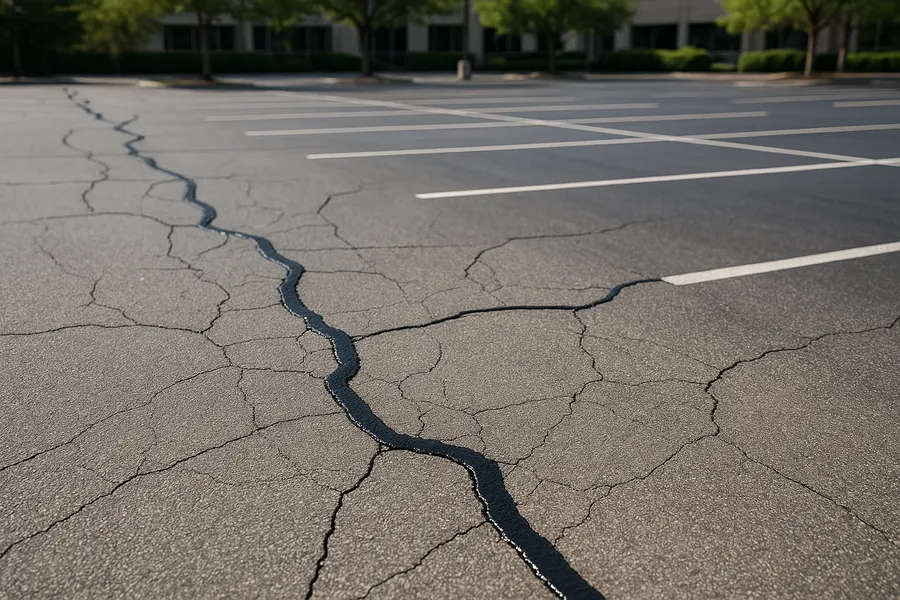
Crack Sealing
Water in the base is what ends most asphalt. Sealing cracks early keeps it out through the freeze and thaw.
See what's involved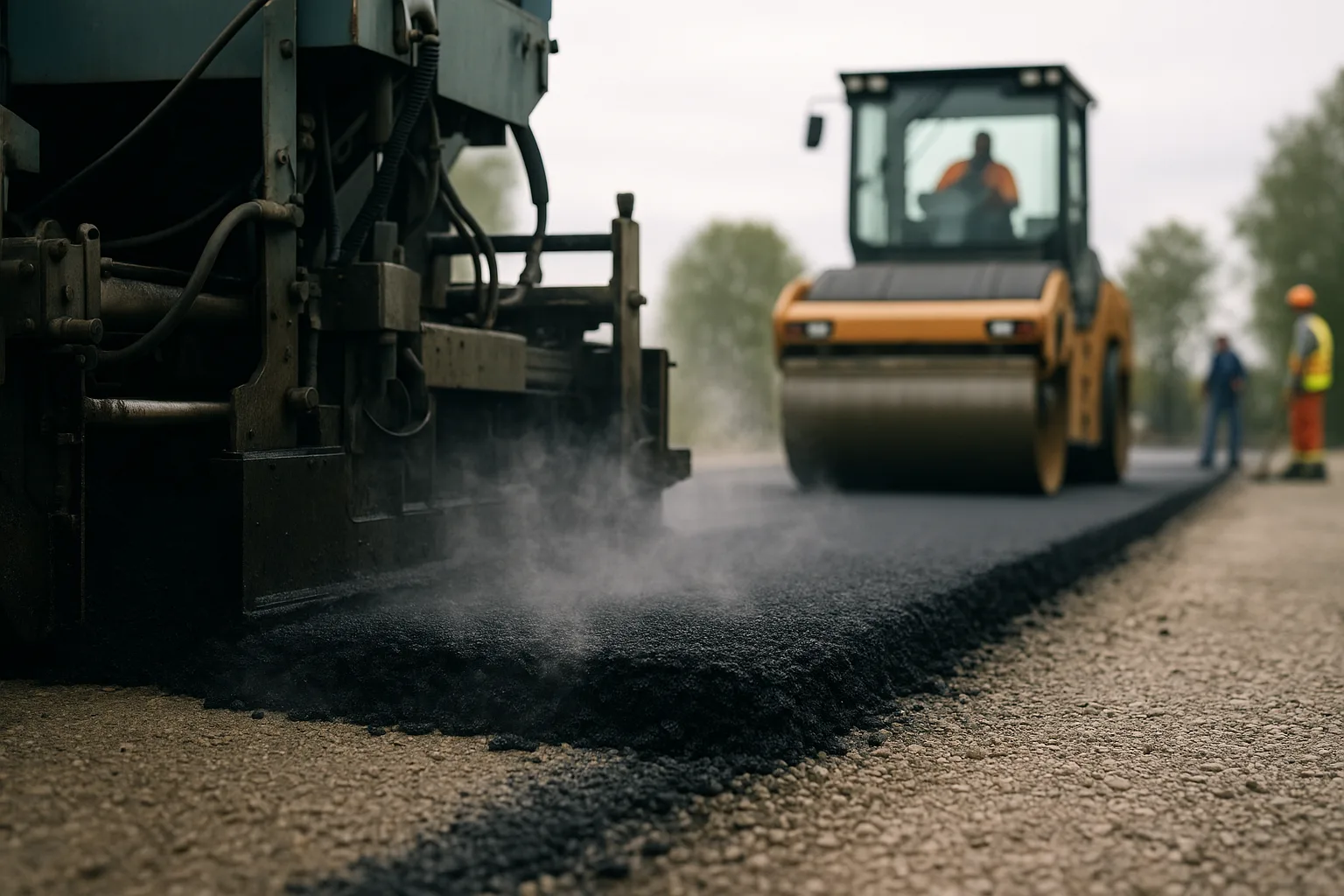
How we work
A lasting job is decided before any asphalt goes down. The site gets graded so water runs off instead of pooling, because standing water works into the base and breaks it apart from below. Then the stone base goes in and gets compacted — sized to the load it has to carry, since the base holds the weight, not the surface.
- Grading that moves water off the surface
- A compacted stone base sized to the load
- Asphalt thickness matched to the use
- Rolled to full compaction while hot
The asphalt goes down at the thickness the use calls for, and it has to be rolled to full compaction while it is still hot — once it cools you cannot get that density back. We handle all of it in-house, so one team is accountable from the estimate to the final coat.
How we workHow a job goes
Four stages, in order, with a firm timeline attached to each one.
Walk-through & estimate
We measure the area, check the condition of the existing base, and look at how the site drains. You get a fixed number and a timeline before anything starts.
Grading & base
We set the grade so water runs off instead of pooling, then build and compact a stone base sized to the load it has to carry. This is where a job is won or lost.
Paving
Asphalt goes down hot at the thickness the use calls for. It gets rolled to full compaction while it is still at temperature, which is what gives it strength and a tight surface.
Finish & clean-up
We tie in the edges and the transitions at the garage, the street, and any existing pavement. Then we clean the site and tell you when it is cured enough for traffic.
Where we work
We pave across the Kansas City metro on both sides of the state line, and in the surrounding Missouri and Kansas communities:
Residential and commercial, from the core out to the edges of the metro: driveways in established neighborhoods, lots for businesses and multi-family properties, and the repair and resurfacing work that comes with older pavement. We are based in Lee's Summit, so most of the metro is a short haul for equipment and material — which matters on asphalt, since it has to arrive hot enough to compact.
Kansas City, MO
Jackson County
Lee's Summit, MO
Jackson County
Independence, MO
Jackson County
Blue Springs, MO
Jackson County
Overland Park, KS
Johnson County
Olathe, KS
Johnson County
Shawnee, KS
Johnson County
Lenexa, KS
Johnson County
Lawrence, KS
Douglas County
Somewhere else in the metro? See every city we serve, or call (816) 789-0700 and we will tell you straight whether we cover it.
Ready to pave it right?
Get a straight estimate and a clear timeline. Tarmasters Asphalt Paving handles driveways, parking lots, and repairs across the Kansas City metro.
Call Now: (816) 789-0700
Common questions
What does an asphalt driveway cost, and what affects the price?
Price comes down to square footage, how much old material has to come out, and the condition of the base underneath. A straightforward replacement over a base that still holds costs less than one where the base has to be rebuilt or the grade corrected. We measure the job and give you a fixed number before anything starts.
Should I repair or replace my asphalt?
That depends on what failed. If the base is sound and the damage is on the surface, a repair or an overlay will hold for years. If the base has broken down — you will usually see it as spreading cracks, sunken areas, or potholes that keep coming back in the same spot — patching only buys a season. If a repair will hold, we will say so. If it will not, we will tell you that too.
How long does an asphalt driveway last?
Typically 15 to 20 years, and longer with sealcoating and timely repairs. What decides it is the base, the drainage, and the use: asphalt laid over a proper base on ground that sheds water lasts; asphalt that holds standing water or carries heavier loads than it was built for goes early, no matter how good the surface looked on day one. We will tell you where yours is and what makes sense — repair, overlay, or replacement.
How soon can you start, and how long does a job take?
Most driveways are a single day on site once the schedule opens up. Larger lots run a few days depending on the scope and how much tear-out and base work is involved, and asphalt needs dry weather in a workable temperature range, so rain moves dates. You get a firm timeline with the estimate, and we tell you if weather changes it.
Still deciding between a repair, an overlay, or new asphalt paving? Call (816) 789-0700 and we will come look at it.